

Immigration Detention in Canada: 

Research, Storytelling, Art.

Immigration Detention in Canada: 

Research, Storytelling,
Art.

Gradient 1 - Blue
Gradient 3 - Orange
Gradient 4 - Yellow
Gradient 2 - Purple
Gradient 5 - Green
Gradient 1 - Blue
Gradient 2 - Purple
Gradient 4 - Yellow
Gradient 3 - Orange
Gradient 5 - Green

Immigration Detention.
From the inside out.

Immigration Detention.
From the inside out.

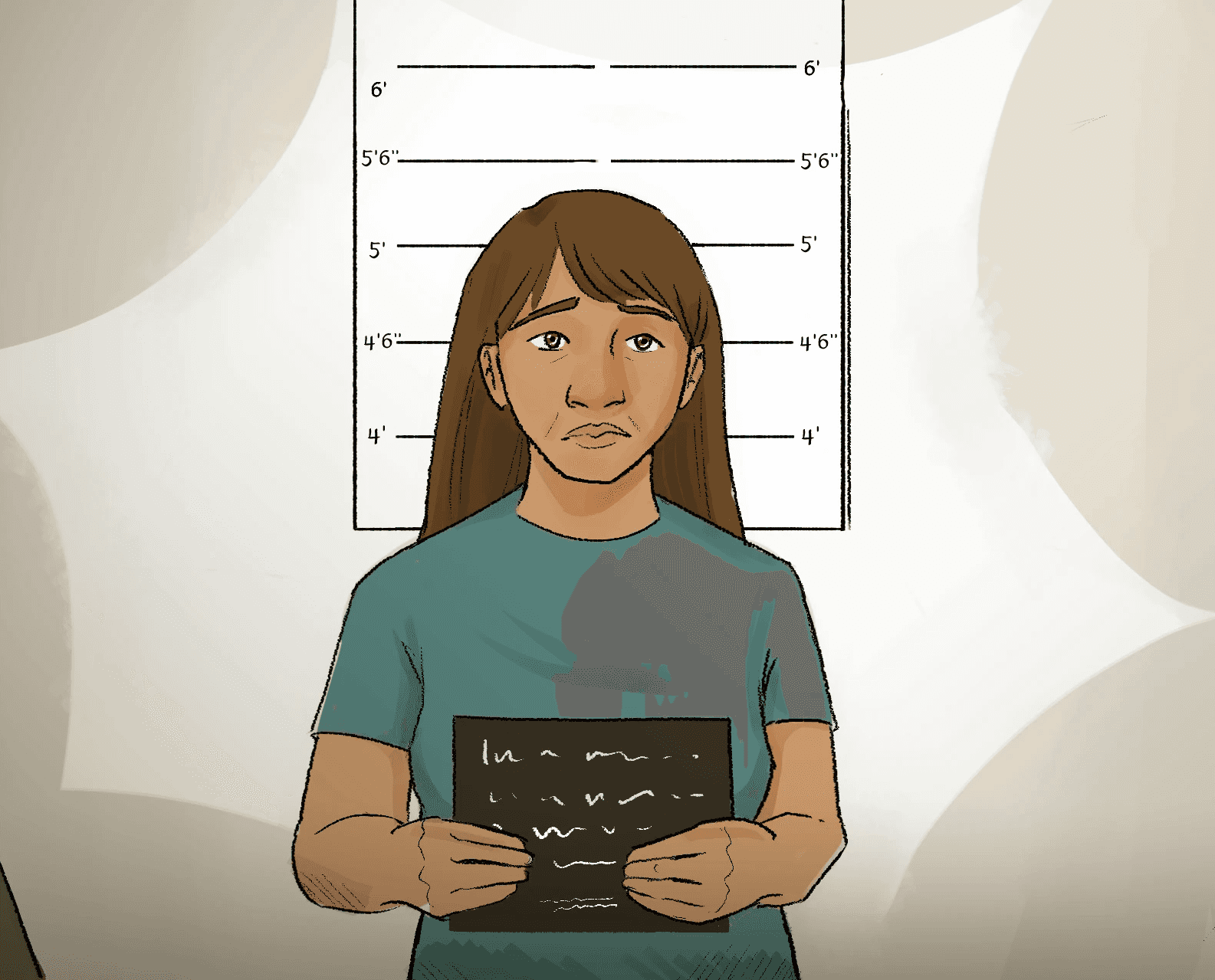
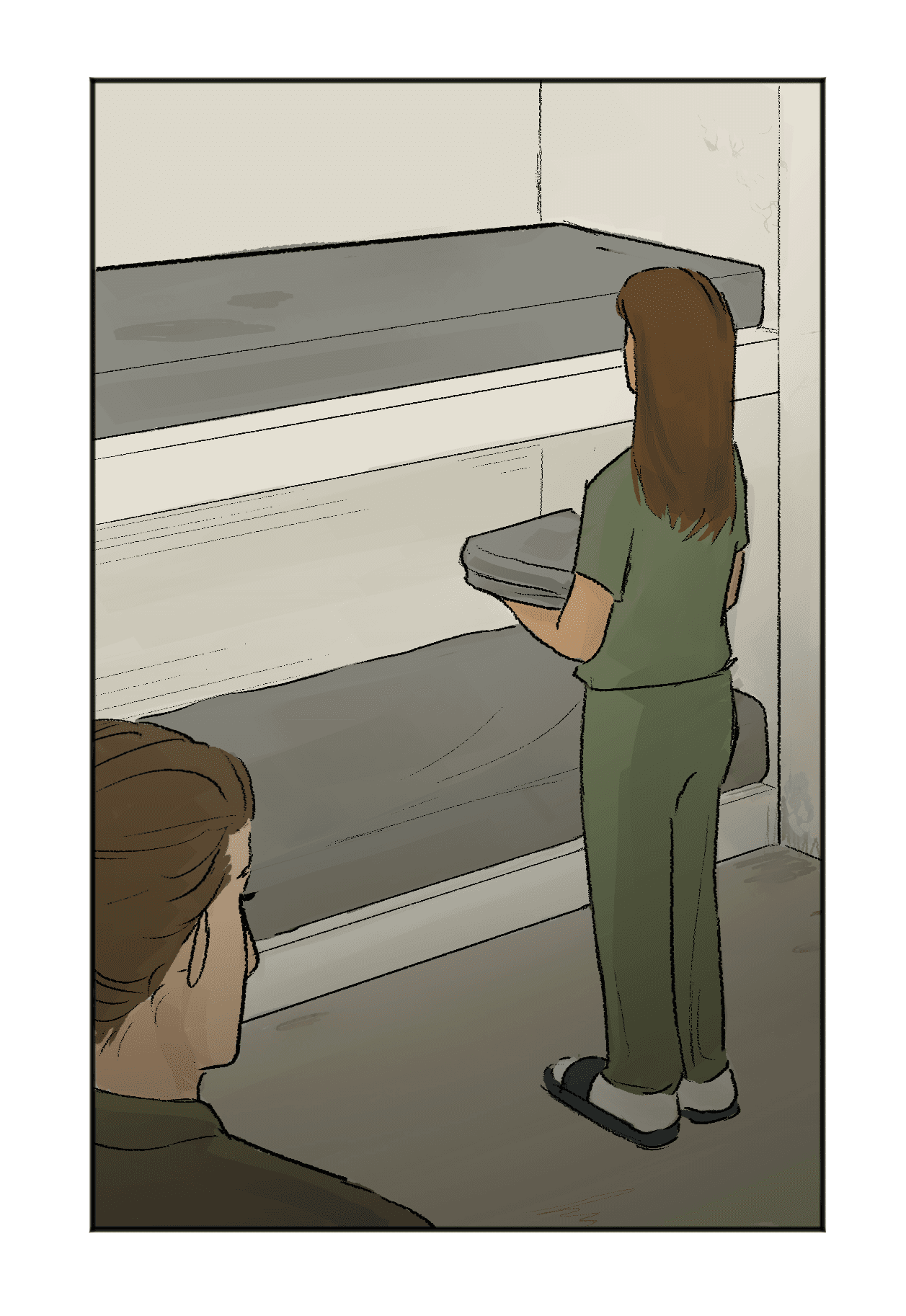
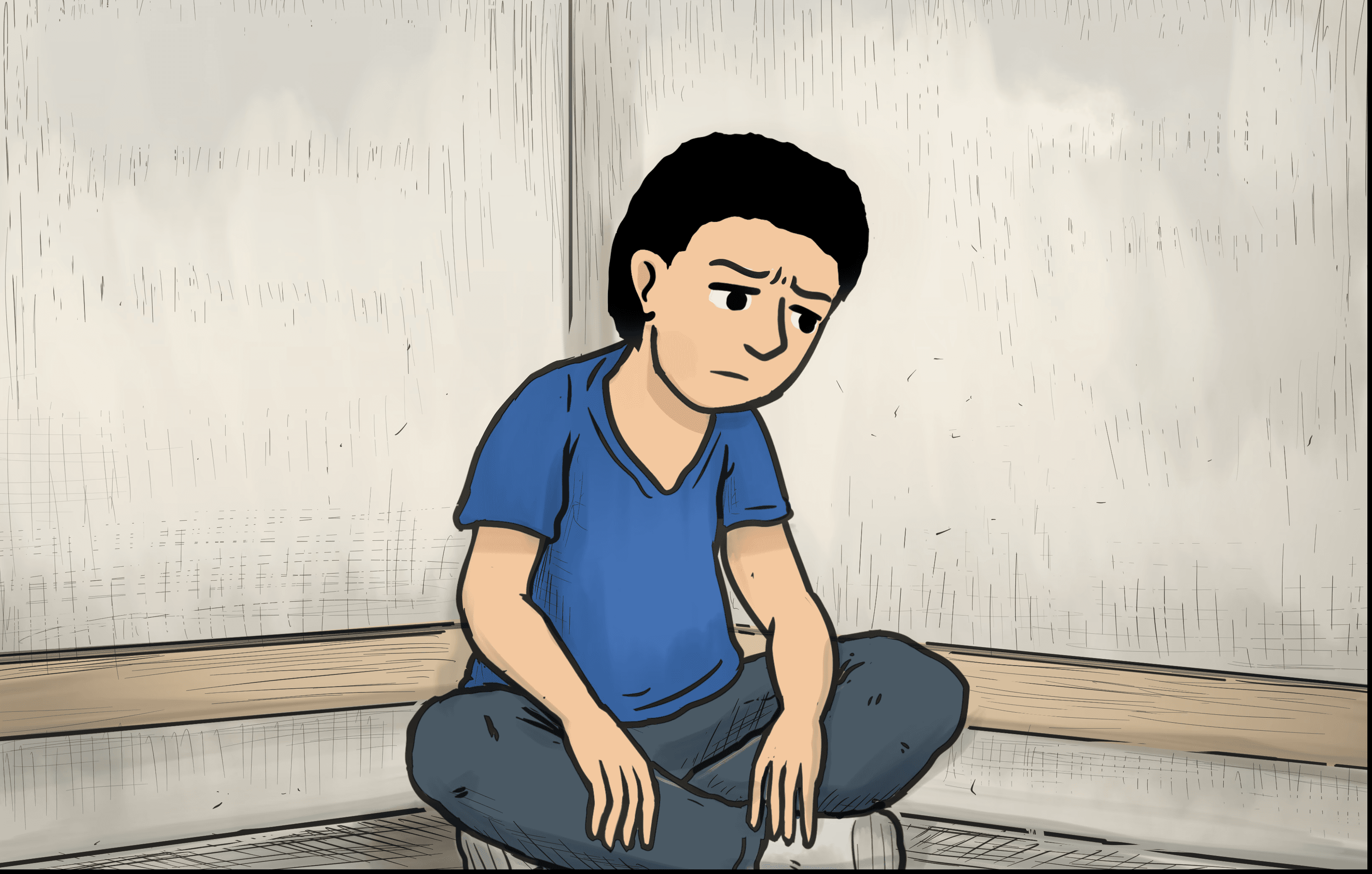
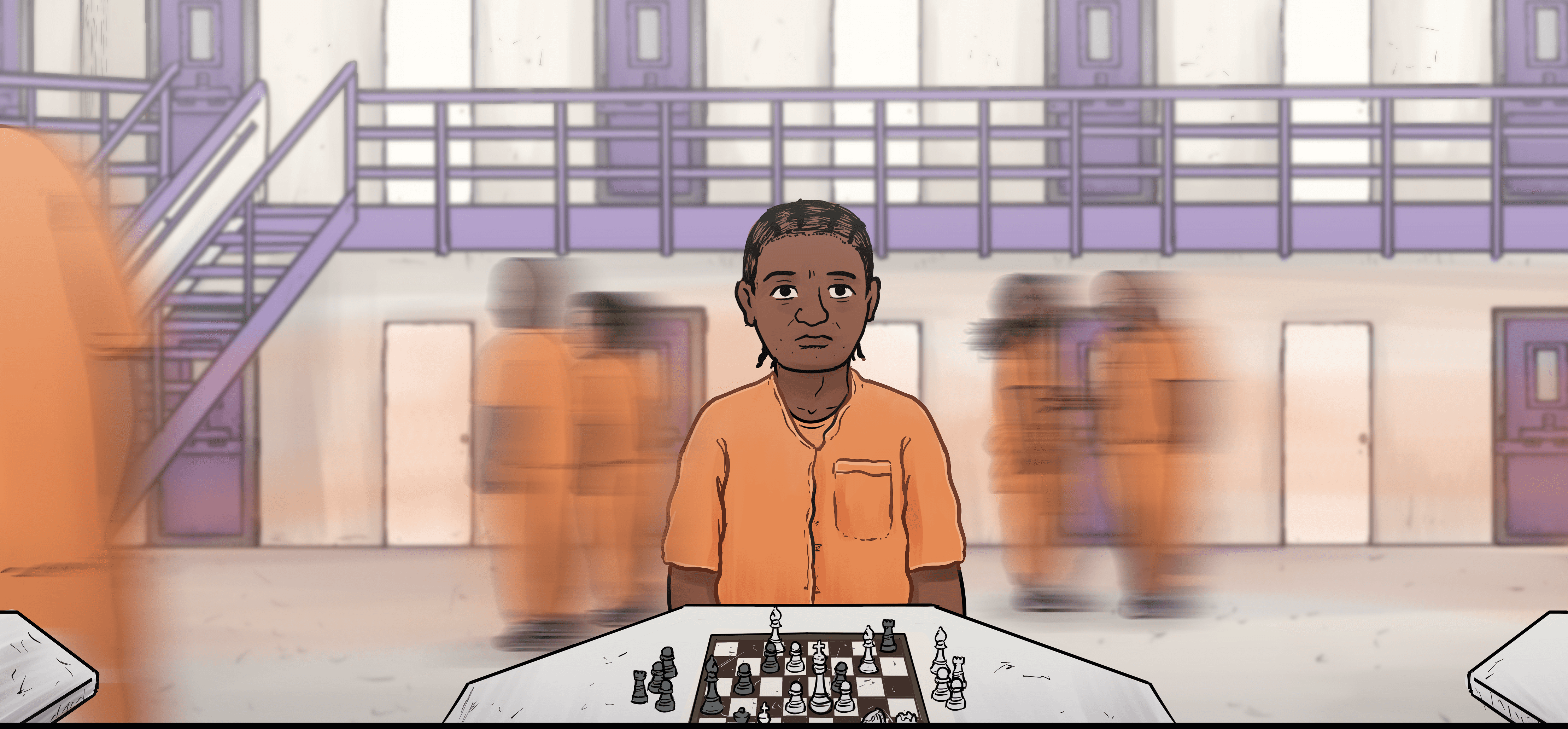
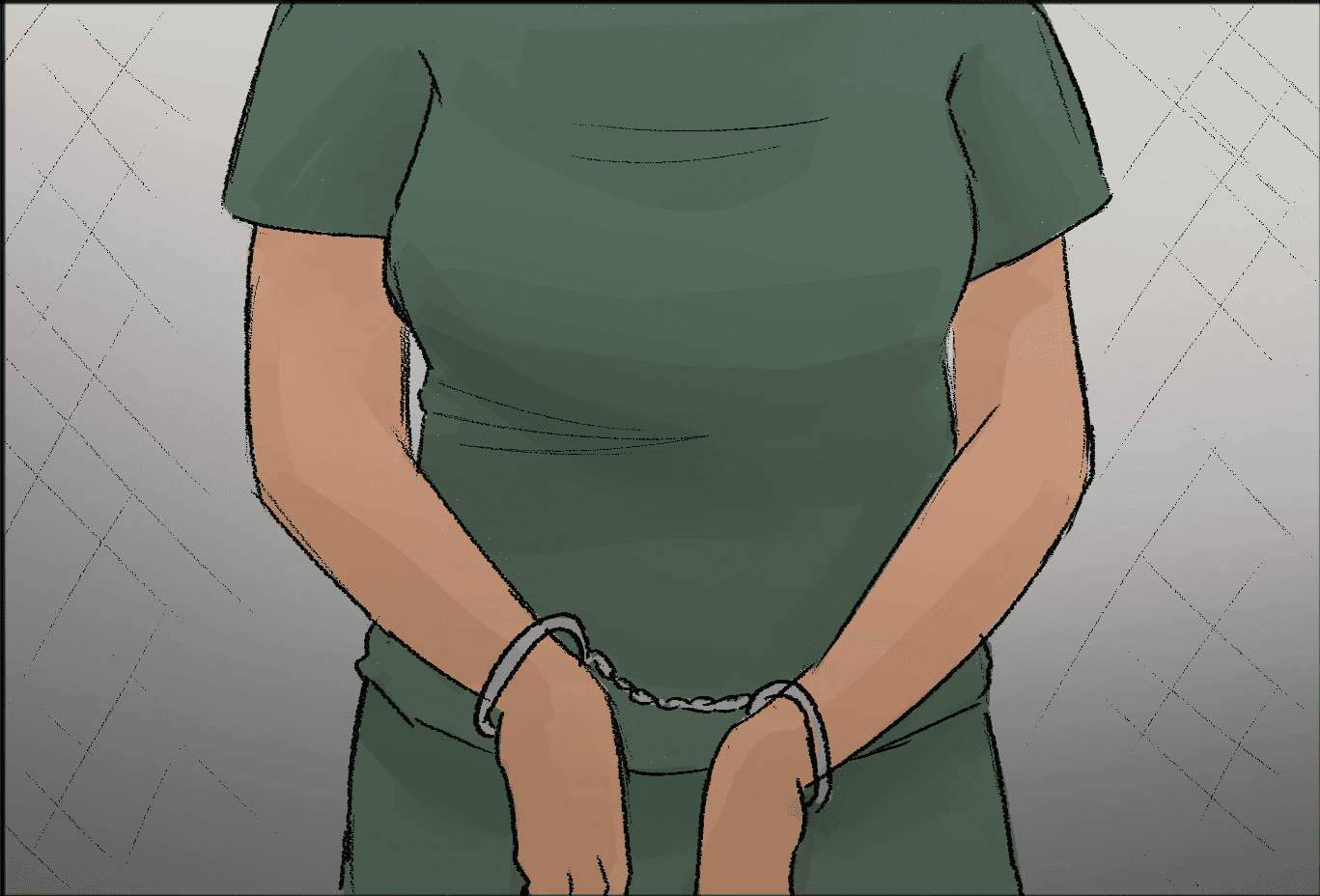
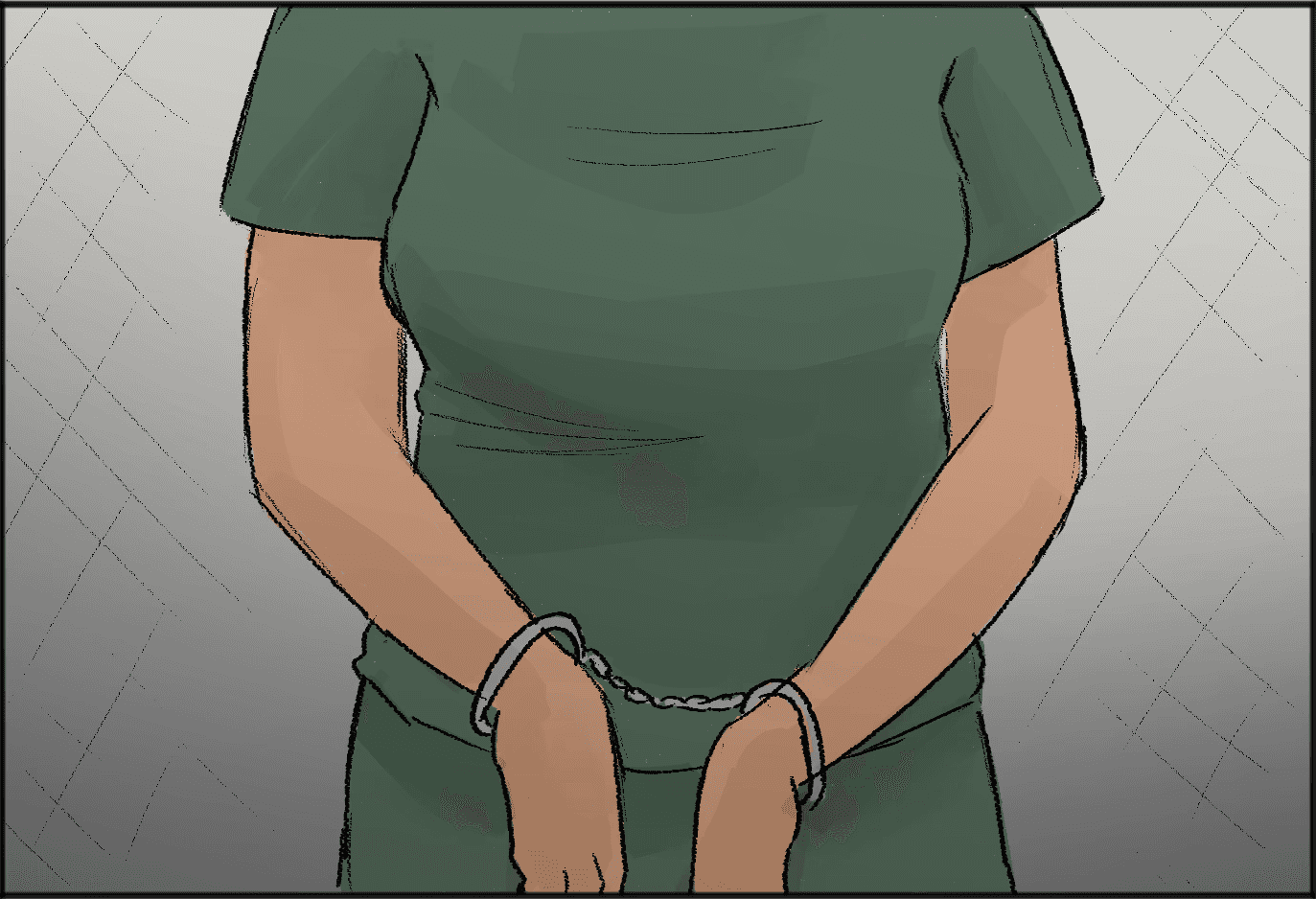
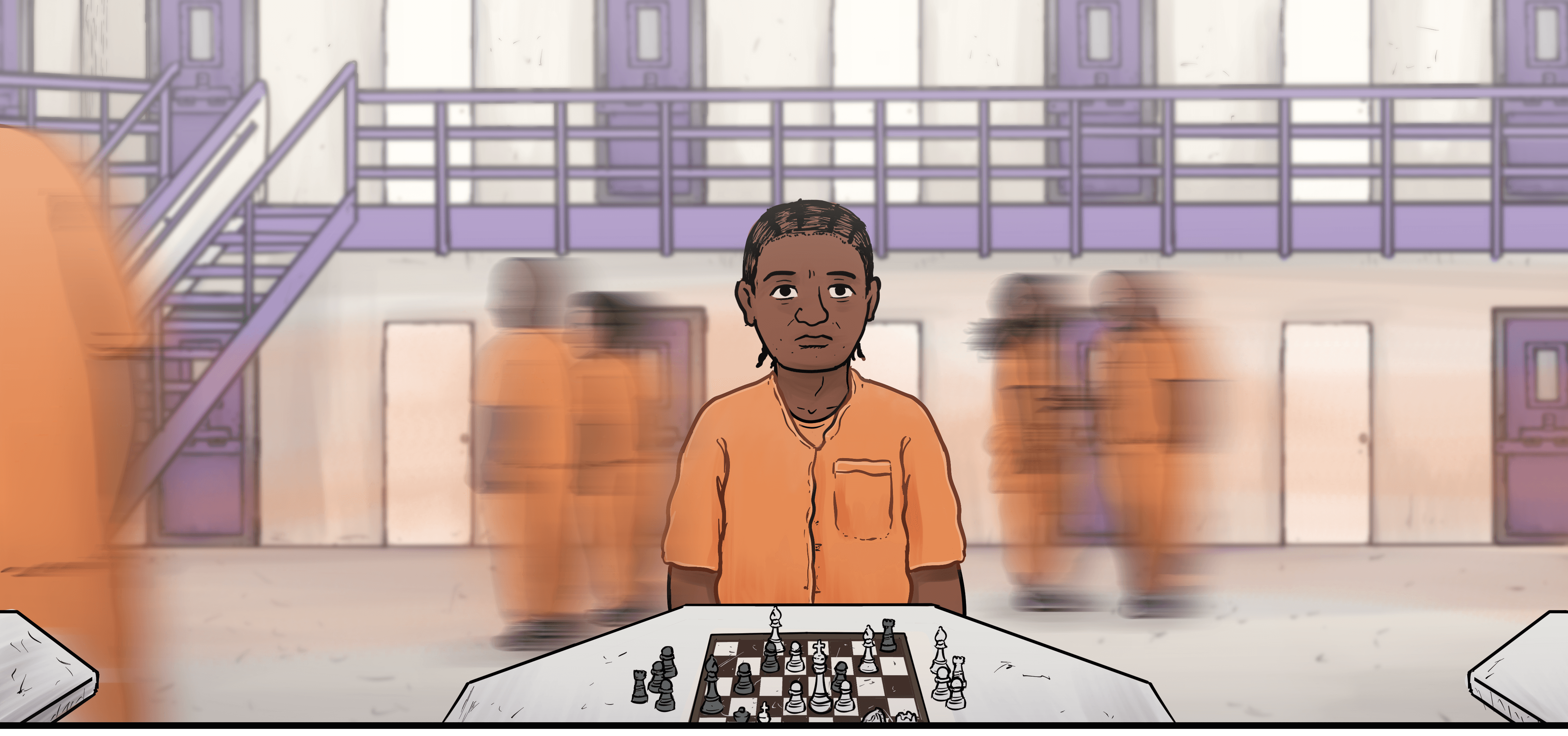
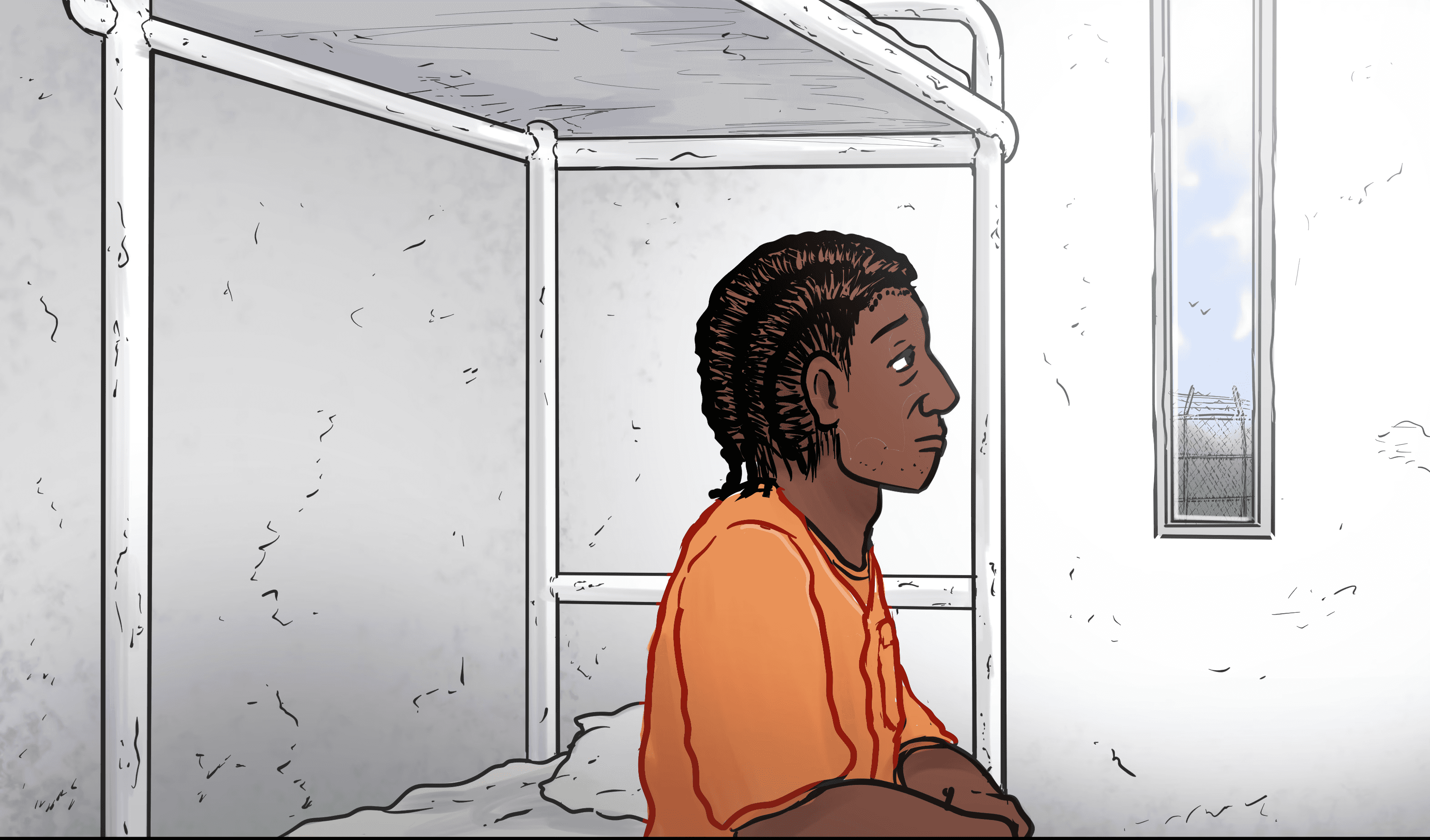
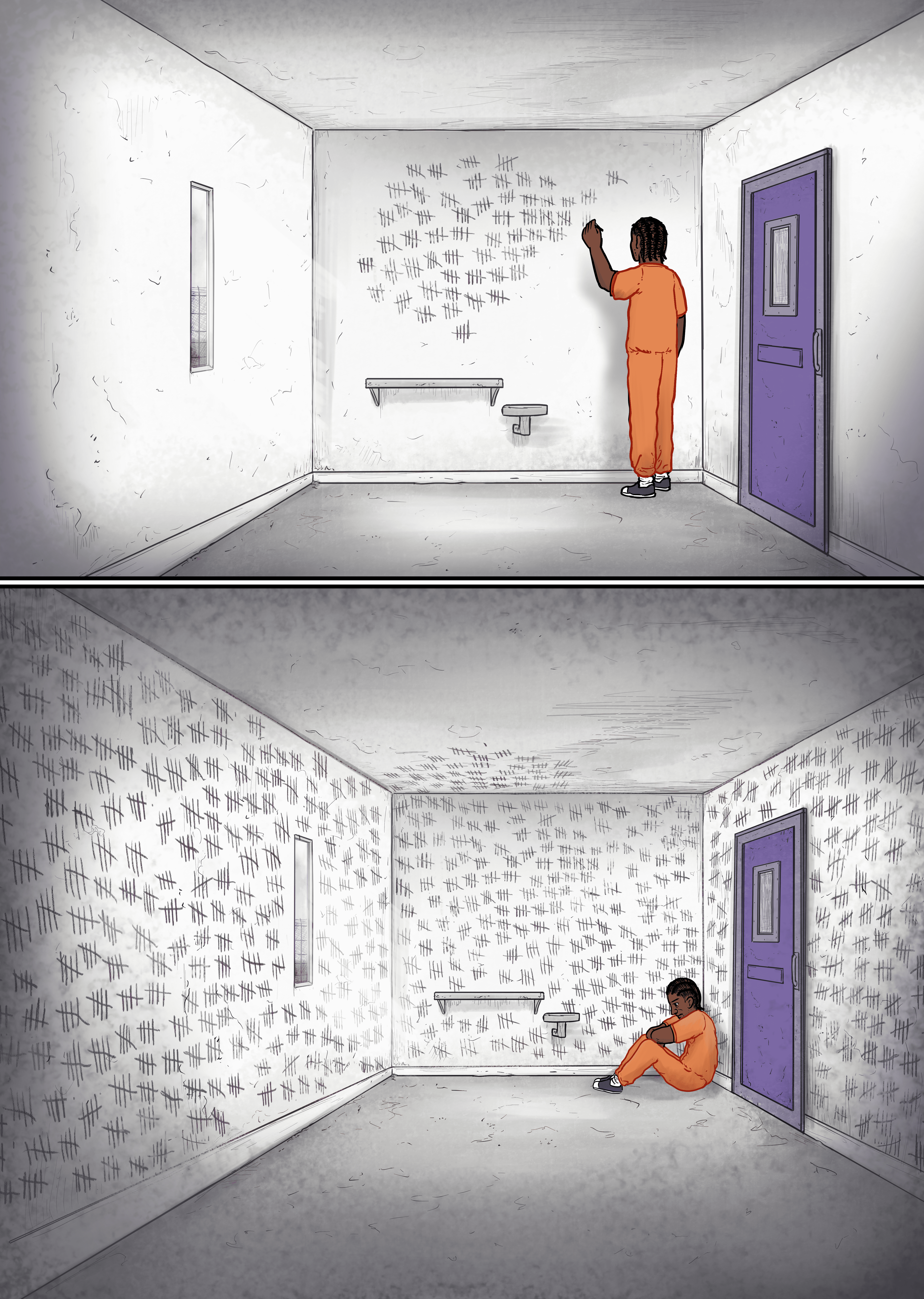
"Everyyear,Canadaincarceratesthousandsofnon-Canadiancitizensinimmigrationdetention.Thisincludesrefugeeclaimantsseekingprotection,permanentresidentswithlong-standingtiestoCanada,andpeoplewhoarelawfullyworkingorstudyinginthecountry.Inimmigrationdetention,peoplearedeprivedoflibertysolelyonthebasisofimmigrationgrounds,notbecauseofcriminalwrongdoingorbecausetheyposeathreattothepublic.Manyareseparatedfromthefamilies,anddetainedformonthsoryearsonend,incriminalconditionsofconfinement. InCanada,immigrationdetentionisindefinite:detentionisnotsubjecttotimelimits,withtheresultthatpeopleindetentiondonotknowwhen,orif,theywillbereleased." 

Efrat Arbel
Creator, Detention Stories
Storytellers

Storytellers

01

Ben

01

Ben

02

Sara

02

Sara

03

Yanmi

03

Yanmi

Q&A

Q&A

Q&A

Where can I find the graphic novel?

More details soon! The graphic novel will be published in 2026 by the University of Toronto Press.

Are the stories in Detention Stories real?

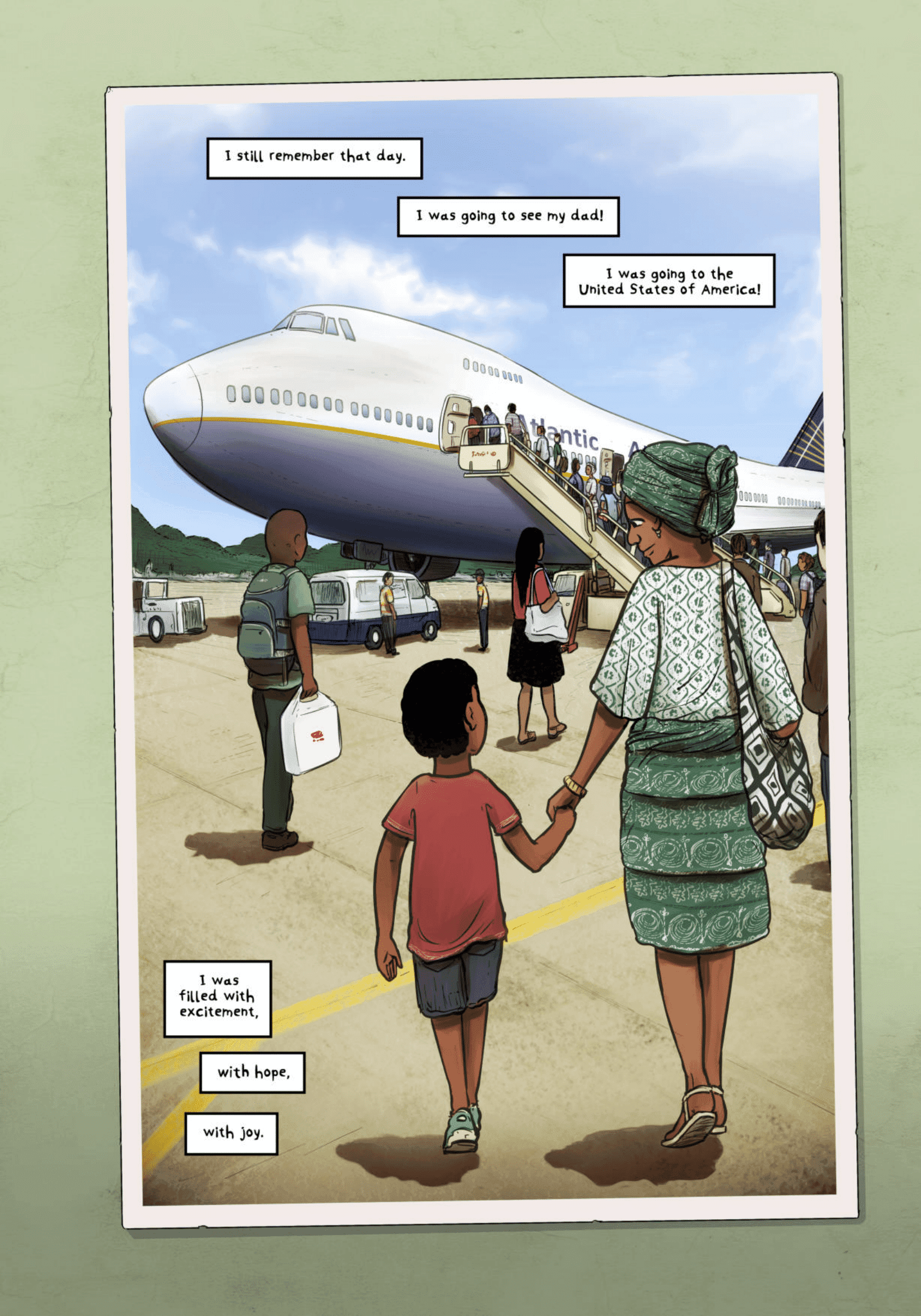
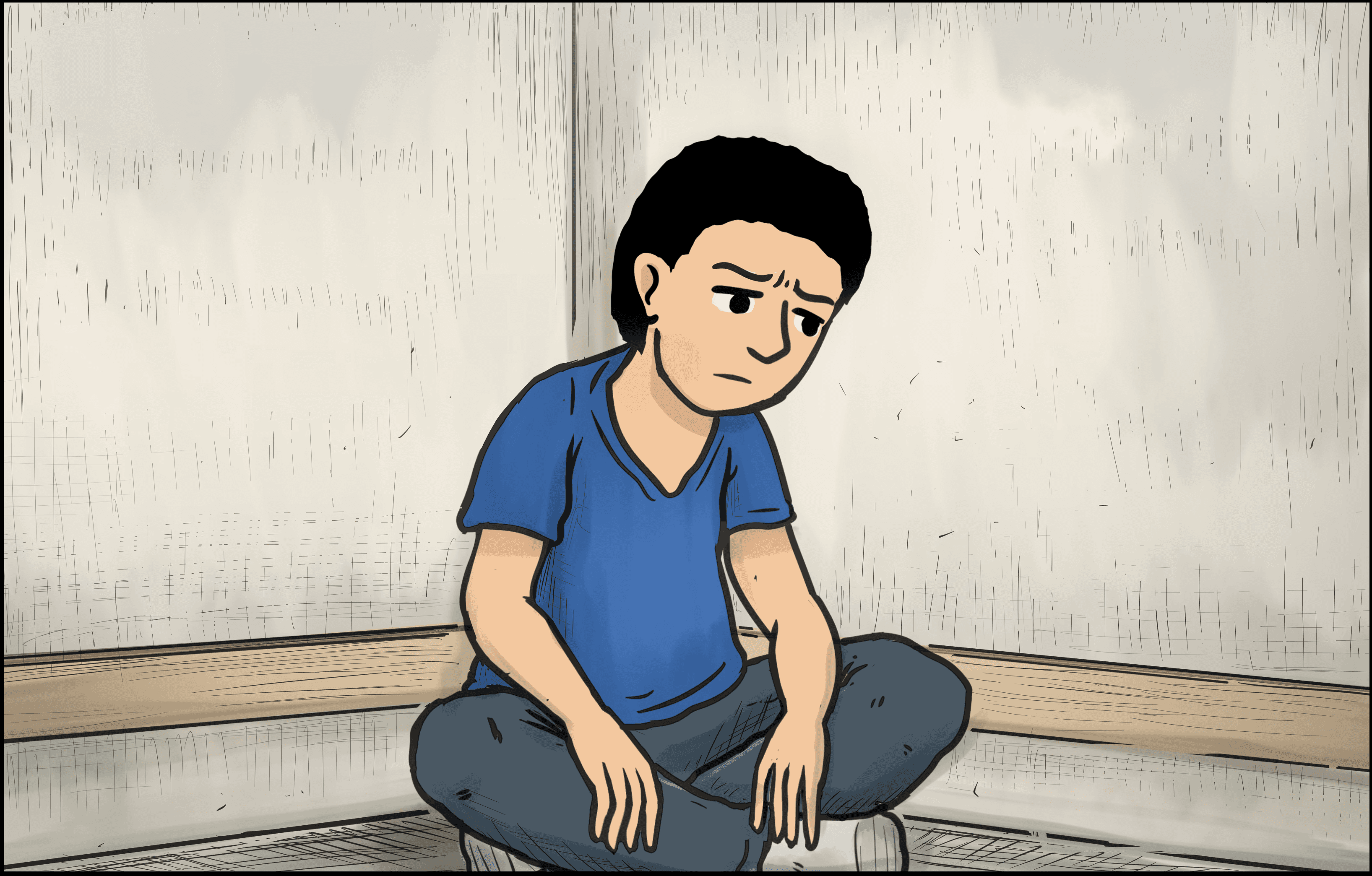
Yes, the stories are based on real lived-experiences of real people.

Who can be detained in Canada?

Under Canadian law, CBSA can who does not hold Canadian citizenship. This includes refugee claimants, permanent residents, and people who are lawfully working or studying in Canada. There have been at least two reported cases of CBSA detaining Canadian citizens, even though there is no legal basis for them to do so.ou

How long does detention last?

Potentially indefinitely. Canada is one of few countries in the Global North that does not impose legal time limits on detention.

Do you have to be convicted of a crime to be detained?

No. Approximately 90% of people in immigration detention are detained because CBSA suspects they might not appear for a future immigration proceeding, or is not satisfied as to their identity. A small number of people are detained due to past criminal convictions. In those cases, the person will have already been sentenced by a Canadian court and served their time in a criminal correctional facility. Detention takes place only after, and in addition to, a criminal sentence.
Learn more about the team

This project was generously funded by:


The Killam Accelerator Research Fellowship,

The Social Sciences and Humanities Research Council of Canada,

The Law Foundation of British Columbia. 


“This work was carried out on the unceded territories

of First Nations, Metis, and Inuit nations.


In conducting this work, we acknowledge the constitutive role of settler colonialism in shaping and legitimizing Canada’s immigration detention system, as well as the global structures and systems that continue to oppress and displace people world-wide, which are deeply connected to the same colonial structures that oppress Indigenous people on Turtle Island.”

Stories-told. First-hand and Bold.

This project was generously funded by:

The Killam Accelerator Research Fellowship,

The Social Sciences and Humanities Research Council of Canada,

The Law Foundation of British Columbia. 


“This work was carried out on the unceded territories of First Nations, Metis, and Inuit nations. In conducting this work, we acknowledge the constitutive role of settler colonialism in shaping and legitimizing Canada’s immigration detention system, as well as the global structures and systems that continue to oppress and displace people world-wide, which are deeply connected to the same colonial structures that oppress Indigenous people on Turtle Island.”

Detention Stories

© 2026 Detention Stories

This project was generously funded by:

The Killam Accelerator Research Fellowship,

The Social Sciences and Humanities Research Council of Canada,

The Law Foundation of British Columbia. 


“This work was carried out on the unceded territories of First Nations, Metis, and Inuit nations. In conducting this work, we acknowledge the constitutive role of settler colonialism in shaping and legitimizing Canada’s immigration detention system, as well as the global structures and systems that continue to oppress and displace people world-wide, which are deeply connected to the same colonial structures that oppress Indigenous people on Turtle Island.”

Detention Stories

© 2026 Detention Stories